The Prophet of Catastrophe: How Fear Hijacks Your Mind and How Grace Can Set It Free
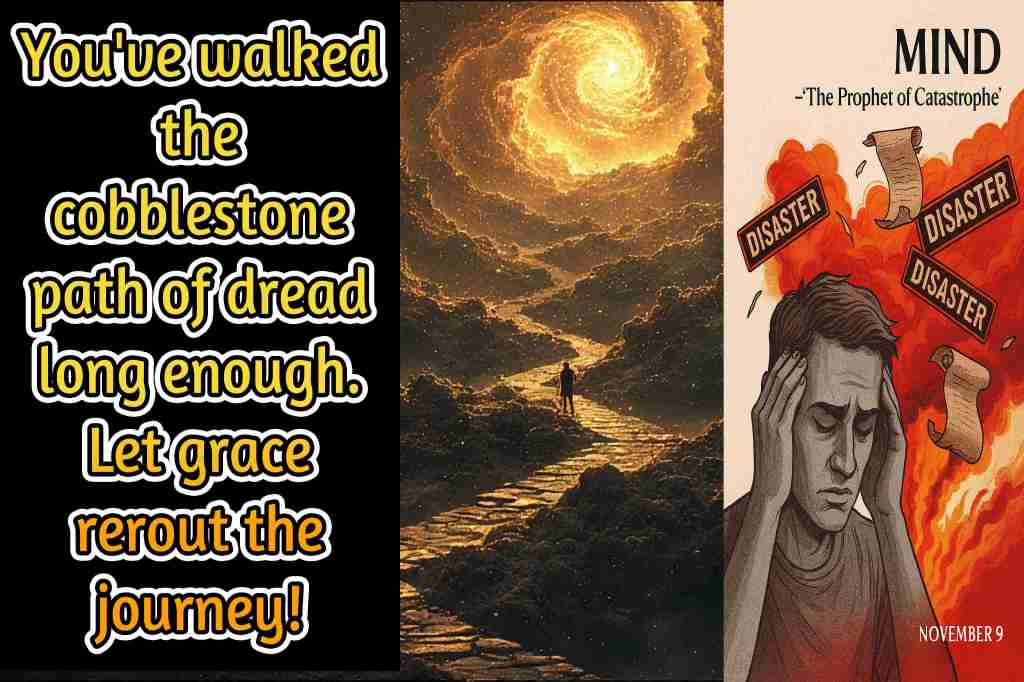
Ever felt like you’re living in a perpetual preview of impending doom? One minute you’re simply trying to get through your day. The next, your mind spirals. It conjures up every possible terrible outcome for even the most mundane situation. If this sounds familiar, you are acquainted with the “Prophet of Catastrophe.” This is that insidious voice within. It whispers constant warnings of disaster. It transforms every potential risk into a prophecy of doom.
This isn’t just a fleeting thought. It’s a deeply ingrained pattern of thinking. Fear orchestrates a mental rewiring with chilling precision. It’s the enemy of peace, the thief of joy, and for many, it’s a constant companion. But the good news is, this narrative of disaster is not the end of the story. Through the transformative power of grace, our minds can be renewed. Our fear-driven prophecies can be replaced with whispers of hope and possibility.
The Catastrophe Mindset: When Every Cloud Has a Dark, Stormy Lining
Imagine Sarah. Sarah is a talented graphic designer, capable and creative. Yet, when presented with a new client project, her immediate thought isn’t about the exciting creative challenge. Instead, it’s about the potential pitfalls. “What if this client is impossible to please? What if I miss the deadline? What if my work isn’t good enough and they fire me?” Before she’s even sketched out the first concept, Sarah has mentally drafted a script for her own professional downfall. This is the essence of the catastrophe mindset.
It’s a mental space where the worst-case scenario is not just considered, but expected. It’s as if our brains have a disaster movie reel pre-loaded. Every new situation triggers the same dramatic soundtrack and flashing red lights. This isn’t a sign of weakness; it’s a testament to how powerfully fear can influence our perception of reality.
Consider the simple act of sending an email. For most, it’s a routine task. For someone caught in the catastrophe mindset, it can be a minefield. “Did I proofread it enough? What if I accidentally sent it to the wrong person? What if they misunderstand what I’m trying to say and it causes a major problem?” The potential for minor inconvenience rapidly escalates into catastrophic consequences in their minds. This constant vigilance, this hyper-awareness of potential negative outcomes, is exhausting and debilitating. It paralyzes action and drains mental energy, leaving individuals feeling perpetually on edge.
This mindset thrives on uncertainty. In a world that often feels unpredictable, our minds, in an attempt to protect us, can overcompensate. They become hyper-vigilant, scanning for threats that do not even exist. It’s like having a smoke detector that’s so sensitive it goes off every time someone toasts bread. This leads to constant alarms and a general sense of impending danger.
Fear’s Rewiring Effect: The Brain Under Siege
The Prophet of Catastrophe isn’t just a whimsical figment of our imagination. It’s the result of a very real neurological process. When we experience fear, our brains trigger a cascade of physiological and psychological responses designed for survival. The amygdala, our brain’s alarm system, goes into overdrive, releasing stress hormones like cortisol and adrenaline. This prepares us for a “fight, flight, or freeze” response.
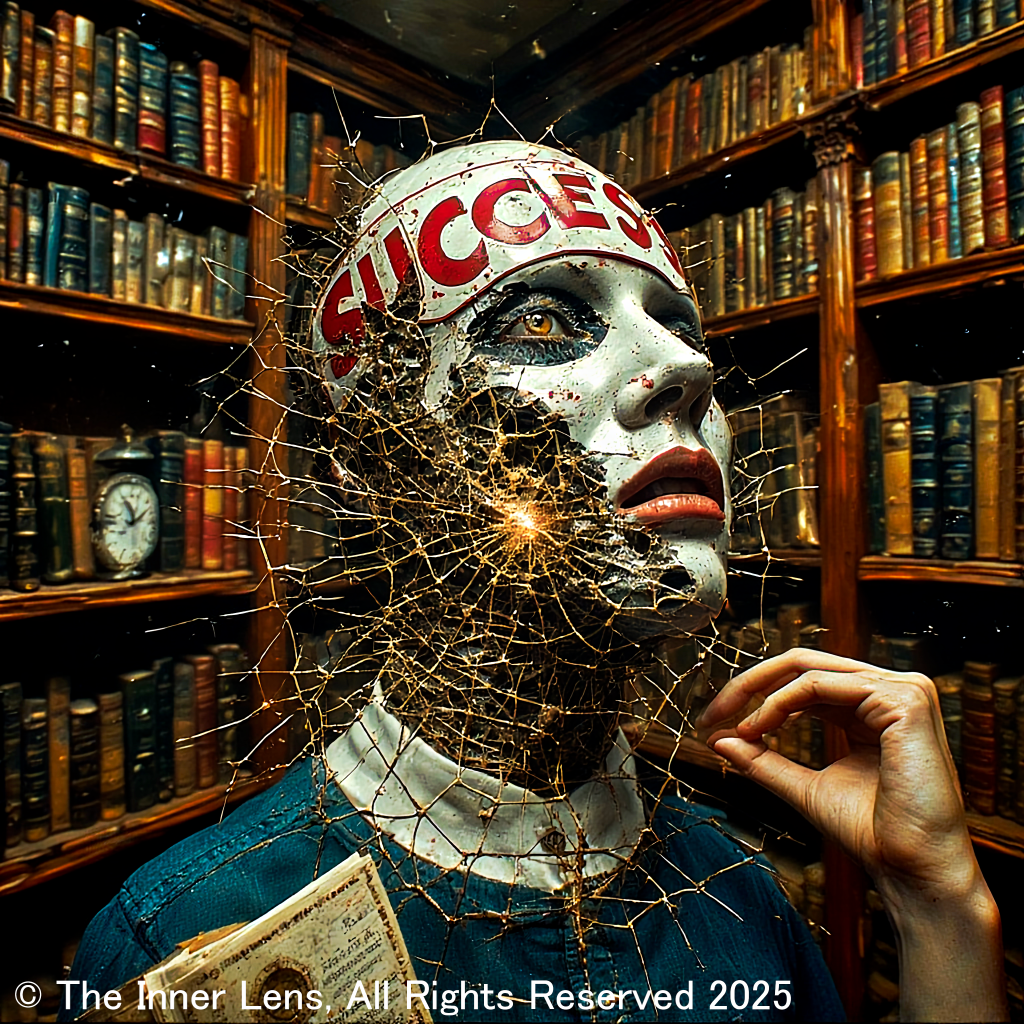
While these mechanisms are vital for surviving genuine threats, chronic fear and anxiety cause them to become overly sensitized. The neural pathways associated with fear become stronger, while those associated with calm and rational thinking can weaken. It’s like a well-trodden path: the more we use it, the easier it becomes to travel. If fear is the path we constantly tread, our brains become incredibly efficient at spotting danger and predicting disaster.
This rewiring can affect our decision-making. When fear dominates, our prefrontal cortex, responsible for logical reasoning and impulse control, can be temporarily overridden by the amygdala. This means that instead of a measured, thoughtful response, we’re more likely to react impulsively based on fear-driven assumptions. The Prophet of Catastrophe gains even more power, as our capacity for rational discernment is compromised.
This is why, as Matthew 25:24 reminds us, “I was afraid and hid your talent…” Fear can prevent us from taking action. We will bury our abilities and opportunities for growth out of sheer terror of failure or negative consequences. The parable of the talents illustrates this perfectly. The servant feared his master’s wealth. He chose to bury the single talent he was given. He preferred this to risking its loss. His fear, and his following inaction, prevented any possibility of growth or return. He became so consumed by the fear of losing what he had that he never considered the potential gains.
This mental rewiring can also impact our relationships. When we’re constantly anticipating the worst, we may become overly suspicious or defensive. We might interpret neutral comments as criticism or perceived slights as intentional attacks. This can create distance and hinder the formation of deep, trusting connections. The Prophet of Catastrophe relentlessly pursues doom. It can isolate us from the people who could offer support and encouragement.
Scripture & the Anxious Mind: Finding Truth Amidst the Noise
For believers, the struggle with the Prophet of Catastrophe can be particularly poignant. We are called to live lives of faith and trust, yet the whispers of fear can be deafening. The Bible, however, is not silent on the matter of fear and anxiety. It acknowledges the reality of these struggles, but it also offers a powerful counter-narrative.
From the very beginning, humanity has grappled with fear. Think of Adam and Eve hiding from God after the fall. Their fear manifested as an attempt to conceal themselves from the very presence they once enjoyed. This foundational fear has echoed through generations. It leads to the kind of catastrophic thinking we see in Sarah and countless others.
The scriptures are replete with examples of individuals who faced immense fear and uncertainty. Abraham, called to leave his homeland, faced the unknown. Moses, tasked with confronting Pharaoh, felt inadequate and afraid. David, facing Goliath, was a marked man walking in peril. Yet, in each of these stories, there is a thread of courage. This courage emerges not from the absence of fear. It comes from a deeper trust in God.
The Prophet of Catastrophe would have us believe that our circumstances are our destiny. It tells us that past failures predict future ones. Every potential setback is seen as an indictment of our worth. But scripture offers a different perspective. It reminds us that our God is sovereign. He is with us in our trials. He has a plan for our good.
Consider the Psalms. They are filled with raw expressions of fear, lament, and desperation. Yet, they often conclude with declarations of trust and praise. David, in Psalm 23, walks “through the valley of the shadow of death.” He acknowledges the terrifying reality. However, he also declares, “I will fear no evil, for you are with me.” This isn’t a denial of fear. It’s a conscious choice to anchor his hope in God’s presence. He makes this choice even when surrounded by darkness.
The Prophet of Catastrophe tells us to focus on the wolves at the door. Scripture, however, encourages us to fix our gaze on the Shepherd who guards the sheep. This shift in focus is not about naive optimism. It is about a profound trust that God’s power and love are greater than any fear we might face.
It’s easy to fall into negative self-talk. Every mistake can fuel a deeper conviction of our inadequacy. The Prophet of Catastrophe thrives on this. It amplifies our shortcomings and magnifies our perceived weaknesses. Scripture gently reminds us of a comforting truth. Our identity is not found in our performance. It is not defined by a perfect track record. Instead, it is in our relationship with a loving God who sees us, knows us, and loves us unconditionally.
Redemption Through Grace: Rewriting the Mind’s Scripts
The good news is that the story doesn’t end with fear or even with struggle. The ultimate redemption from the Prophet of Catastrophe lies in the transformative power of God’s grace. Romans 12:2 beautifully encapsulates this. It states: “Do not conform to the pattern of this world, but be transformed by the renewing of your mind.” This isn’t a passive wish; it’s an active invitation to a profound change.
Grace is the unmerited favor of God. It is His boundless love and acceptance. This is offered to us regardless of our past mistakes or present fears. It’s a divine intervention that seeks to heal and restore what fear has broken. When we embrace God’s grace, we begin to understand that His plans for us are not dictated by our failures. They are guided by His boundless love and perfect wisdom.
The Prophet of Catastrophe operates on a system of rules and consequences. It says, “If you do this, then this bad thing will happen.” Grace, on the other hand, operates on a foundation of love and forgiveness. It says, “Even if you stumble, I am here to lift you up. My love for you is unwavering.” This fundamental shift in understanding is crucial for dismantling the fear-based narrative.
Think of it like this: The Prophet of Catastrophe is like a faulty computer program. It constantly runs error messages. It shuts down positive operations. Grace is like a software update that not only fixes the bugs but also installs new, more powerful features. It rewrites the underlying code of our thinking, replacing fear with faith, doubt with trust, and despair with hope.
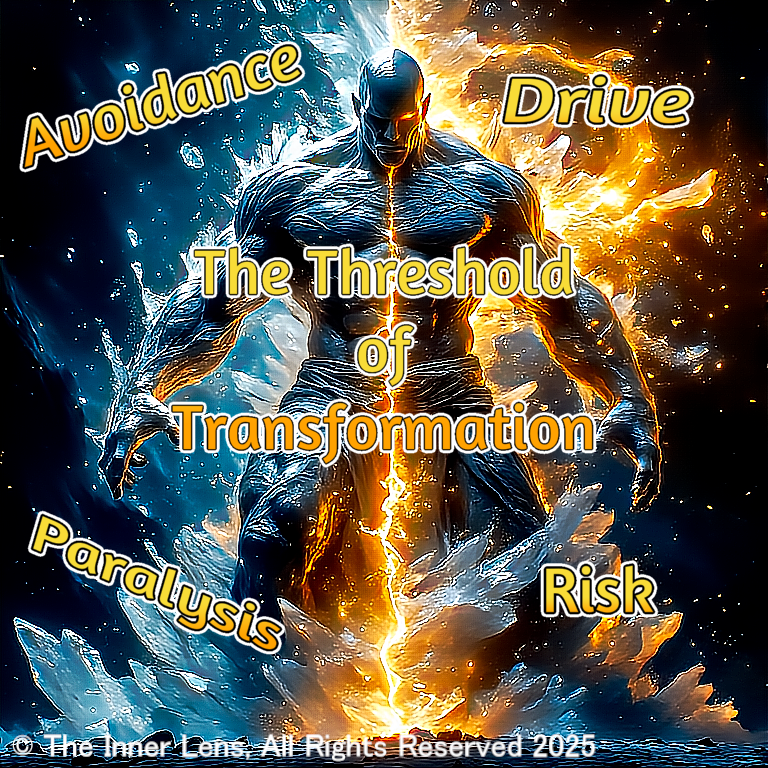
This redemption isn’t about magically erasing all fear. It’s about learning to walk with fear, knowing that it doesn’t have the final say. It’s about understanding that our current circumstances, no matter how challenging, do not define our future. God’s promise is not that we will be free from trials, but that He will be with us through them. This is the essence of hope – a confident expectation rooted not in our own strength, but in God’s faithfulness.
The parable of the talents, when viewed through the lens of grace, offers a different perspective. While the fearful servant was rebuked, his master’s response still offered a pathway forward. The focus shifts from the buried talent to the master’s generosity and the servant’s potential for change. Redemption through grace means that even our past fears and mistakes don’t have to dictate our future. We can be forgiven, empowered, and encouraged to step forward with renewed courage.
Reframing for Hope: Shifting the Narrative
The journey of mind renewal is an active one. It requires us to confront the Prophet of Catastrophe not with more fear, but with the truth of God’s grace. One of the most powerful tools in this process is reframing our thoughts. This means actively challenging those catastrophic predictions and replacing them with a redemptive counter-narrative.
This isn’t about simply saying positive affirmations in a vacuum. It’s about discerning the fear-driven thought. Identify its faulty premise. Then consciously choose to replace it with a truth grounded in scripture and God’s promises.
Let’s return to Sarah, our graphic designer. When the fear-driven thought arises, “What if this client is impossible to please and I fail?”, she can practice reframing.
Catastrophic Thought: “I’m going to mess this up. This client will hate my work, and my career will suffer.”
Fear’s Premise: Perfection is required, and failure is devastating.
Redemptive Counter-Narrative (informed by grace and scripture): “This is a new challenge, and it’s okay to feel a bit anxious. However, I am capable, and I have God’s wisdom to guide me. Even if this project doesn’t go perfectly, it is a learning opportunity. It is not a definitive judgment on my worth or abilities. God’s grace is sufficient for me, and He will equip me to handle whatever comes. My hope is in Him, not in a perfect outcome.”
This counter-narrative doesn’t dismiss the possibility of difficulty; it re-contextualizes it. It shifts the focus from the potential disaster to the presence of God. It emphasizes the availability of His grace and the opportunity for growth.
Here’s another example, from a more personal perspective.
Catastrophic Thought: “I said the wrong thing in that conversation. They must think I’m an idiot, and now they won’t like me.”
Fear’s Premise: My worth is dependent on others’ approval, and a social misstep is irrecoverable.
Redemptive Counter-Narrative: “I’m human, and I sometimes misspeak. God knows my heart and my intentions. I can offer a sincere apology if it feels right. Alternatively, I can simply trust that God is working in that relationship. My value isn’t determined by this one interaction, but by God’s unwavering love for me. I will choose to extend grace to myself, just as God extends grace to me.”
This reframing process takes practice and intentionality. The Prophet of Catastrophe has likely been a dominant voice for a long time, and its whispers can be persistent. But with each conscious effort to challenge and reframe, we weaken its hold. We strengthen the pathways of hope and faith.
Think of it as spiritual weightlifting. Every time you challenge a catastrophic thought and replace it with a hopeful truth, you’re building spiritual muscle. It might feel difficult at first, but with consistent effort, you become stronger and more resilient.
Practical Mind Renewal: Your Toolkit for Hope
So, how do we actively engage in this renewal process? It’s about being intentional with our thoughts and allowing God’s truth to become the bedrock of our minds.
Identify the Prophet: The first step is awareness. When do these catastrophic thoughts arise? What triggers them? What are the common themes in your disaster prophecies? Simply noticing the pattern is a massive step forward. Keep a journal. Make a mental note. You can also use a dedicated space in your phone to jot down these negative thought patterns as they emerge.
Challenge the Narrative: Once identified, gently question the thought. Ask yourself:
Is this thought based on fact or fear?
What is the absolute worst-case scenario, and how likely is it really?
Even if the worst did happen, could I survive it? Would God be with me?
What are the positive or neutral possibilities in this situation?
Seek Scripture: This is where the renewal truly takes root. When you identify a fear-based thought, deliberately search for scripture that speaks to that area. If you fear not being good enough, find verses about God’s love and acceptance. If you fear loss, find verses about God’s provision and faithfulness. You can even create a list of go-to verses for common fears. For instance, if your fear revolves around provision, use verses like Philippians 4:19. This verse tells us that God will meet all our needs. He does this according to the riches of His glory in Christ Jesus. Such verses can be incredibly powerful.
Craft Your Counter-Narrative: Based on your challenge and the scripture you’ve found, create a positive, grace-filled replacement thought. This should be a truthful statement about God, yourself (in relation to God), and the situation. As mentioned with Sarah, it’s not about denying reality but about offering a hopeful, God-centered perspective.
Practice, Practice, Practice: This is the crucial, ongoing step. The Prophet of Catastrophe is a seasoned orator; it won’t be easily silenced. You will need to actively and consistently reframe your thoughts. Some days will be harder than others. There will be times when the old patterns feel overwhelming. On those days, give yourself grace. Acknowledge the difficulty, lean into God’s strength, and start again.
Engage in Prayer and Community: Prayer is your direct line to the source of all truth and hope. Pray for wisdom, for strength, and for a renewed mind. Share your struggles with trusted friends or a faith community. Hearing how others have navigated similar battles and receiving encouragement can be a powerful antidote to isolation and despair. The Bible encourages us to support each other. It says, “Carry each other’s burdens, and in this way you will fulfill the law of Christ” (Galatians 6:2).
A Journey, Not a Destination
The journey of transforming our minds from prophets of catastrophe to beacons of hope is a lifelong process. It’s marked by moments of breakthrough and moments of struggle. But it is a journey that is filled with immense promise. We can understand how fear rewires our minds. We can anchor ourselves in the unchanging truth of scripture. By actively engaging in the practice of reframing, we can experience the profound redemption that grace offers.
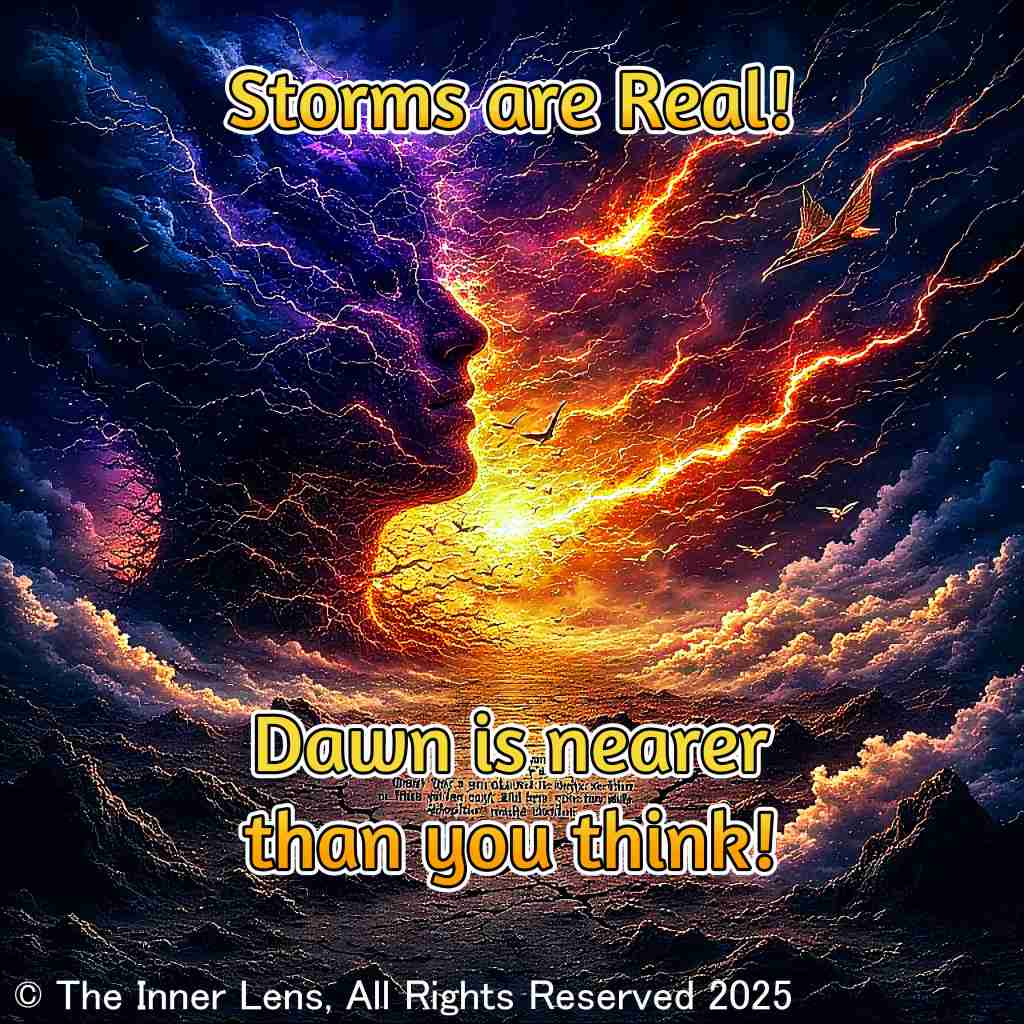
The Prophet of Catastrophe may still whisper from time to time. However, its voice will no longer hold the power of prophecy. Instead, it will be drowned out by the resounding truth of God’s love. The quiet confidence of His presence will also drown it out. There is a vibrant hope of a future He has meticulously planned. This future is not of doom, but of purpose and enduring peace. As we allow God to renew our minds, we step out of the shadows of fear. We enter the liberating light of His grace. We are ready to embrace life with a faith that can weather any storm.





 The Inner Lens